ADVERTISEMENT
**Chapter 3: Understanding the Phenomenon**
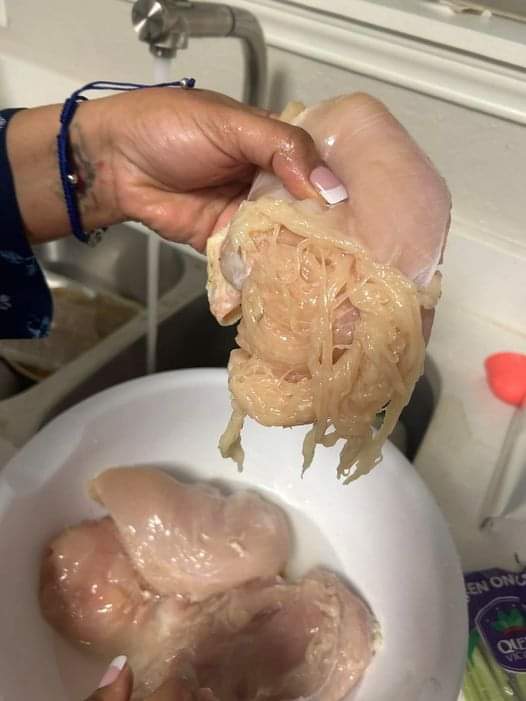
Experts in the field of agriculture and food science weighed in on the incident. Dr. Massimiliano Petracci, a professor at the University of Bologna, explained that the unusual texture observed in the chicken was likely due to rapid growth rates in poultry. Modern broiler chickens are bred to grow quickly, leading to conditions such as “woody breast” and “spaghetti meat,” where the muscle fibers become disorganized and stringy.
These conditions are often a result of selective breeding and the use of growth-promoting practices to meet consumer demand for larger, more uniform cuts of meat. While not harmful to human health, these practices have raised concerns about animal welfare and the naturalness of the meat produced.
—
**Chapter 4: The Ethical Debate**
The incident prompted a broader conversation about the ethics of modern food production. Advocates for animal welfare and sustainable agriculture questioned the implications of breeding animals for rapid growth, which can lead to health issues for the animals and potentially affect the quality of the meat.
Additionally, the rise of lab-grown meats has introduced new ethical considerations. While these products aim to reduce the environmental impact of traditional meat production, they also raise questions about the naturalness of food and consumer rights to know the origins of their meals.
—
**Chapter 5: Consumer Awareness and Transparency**
In response to incidents like Alesia’s, there has been a call for greater transparency in food labeling. Consumers are increasingly seeking information about the origins and production methods of the food they purchase. Clear labeling can help individuals make informed choices that align with their values and health considerations.
Organizations advocating for consumer rights emphasize the importance of labeling that accurately reflects the production methods of meat products, including whether they are lab-grown or conventionally raised. This transparency can empower consumers to make choices that align with their ethical beliefs and health preferences.
—
**Chapter 6: The Impact on Family Meals**
For Alesia and her family, the incident led to a reevaluation of their food choices. Alesia expressed her decision to avoid purchasing chicken off the bone in the future, citing concerns about the quality and authenticity of the meat. This personal decision reflects a growing trend among consumers to seek out more natural and ethically produced food options.
The experience also highlighted the challenges faced by families in navigating the complexities of modern food production. Parents are tasked with balancing convenience, cost, and nutritional value while ensuring the food they provide is safe and ethically sourced.
—
**Chapter 7: The Broader Implications**
Alesia’s viral post serves as a microcosm of larger trends in the food industry. The increasing prevalence of lab-grown meats, the use of growth hormones in poultry farming, and the demand for larger, more uniform cuts of meat are reshaping the landscape of food production.
These developments have far-reaching implications for animal welfare, environmental sustainability, and consumer health. As the food industry continues to evolve, it is crucial for stakeholders—including producers, regulators, and consumers—to engage in open dialogues about the future of food and the ethical considerations that accompany it.
—
**Conclusion: A Call for Informed Choices**
The incident involving Alesia Cooper and the stringy chicken breast underscores the importance of consumer awareness and transparency in food production. As individuals become more informed about the origins and production methods of their food, they can make choices that align with their values and health considerations.
For families like Alesia’s, this experience has been a catalyst for change, prompting a reevaluation of food purchasing habits and a commitment to seeking out more natural and ethically produced options. While the incident was unsettling, it has sparked important conversations about the future of food and the role of consumers in shaping that future.
—
**Further Reading**
For those interested in exploring the topics of lab-grown meats, ethical food production, and consumer rights, the following resources provide valuable insights:
* *”The Omnivore’s Dilemma”* by Michael Pollan – An exploration of the complexities of food choices and the implications of modern food production.
* *”Eating Animals”* by Jonathan Safran Foer – A thought-provoking examination of the ethical considerations surrounding meat consumption.
* *”Lab-Grown Meat: The Future of Food?”* – A report by the World Economic Forum discussing the potential and challenges of lab-grown meats.
—
**Discussion**
Have you ever encountered an unexpected or concerning experience with food that led you to reevaluate your choices? How do you navigate the complexities of modern food production in your own family? Share your thoughts and experiences in the comments below.
—
**Note**: This article is based on publicly available information and aims to provide an informative perspective on the incident involving Alesia Cooper. The views expressed are those of the author and do not necessarily reflect the opinions of the individuals or organizations mentioned.
